

Why Global Capital Is Moving to Dubai in 2026: Macro Forces, Structural Drivers & Strategic Inflows
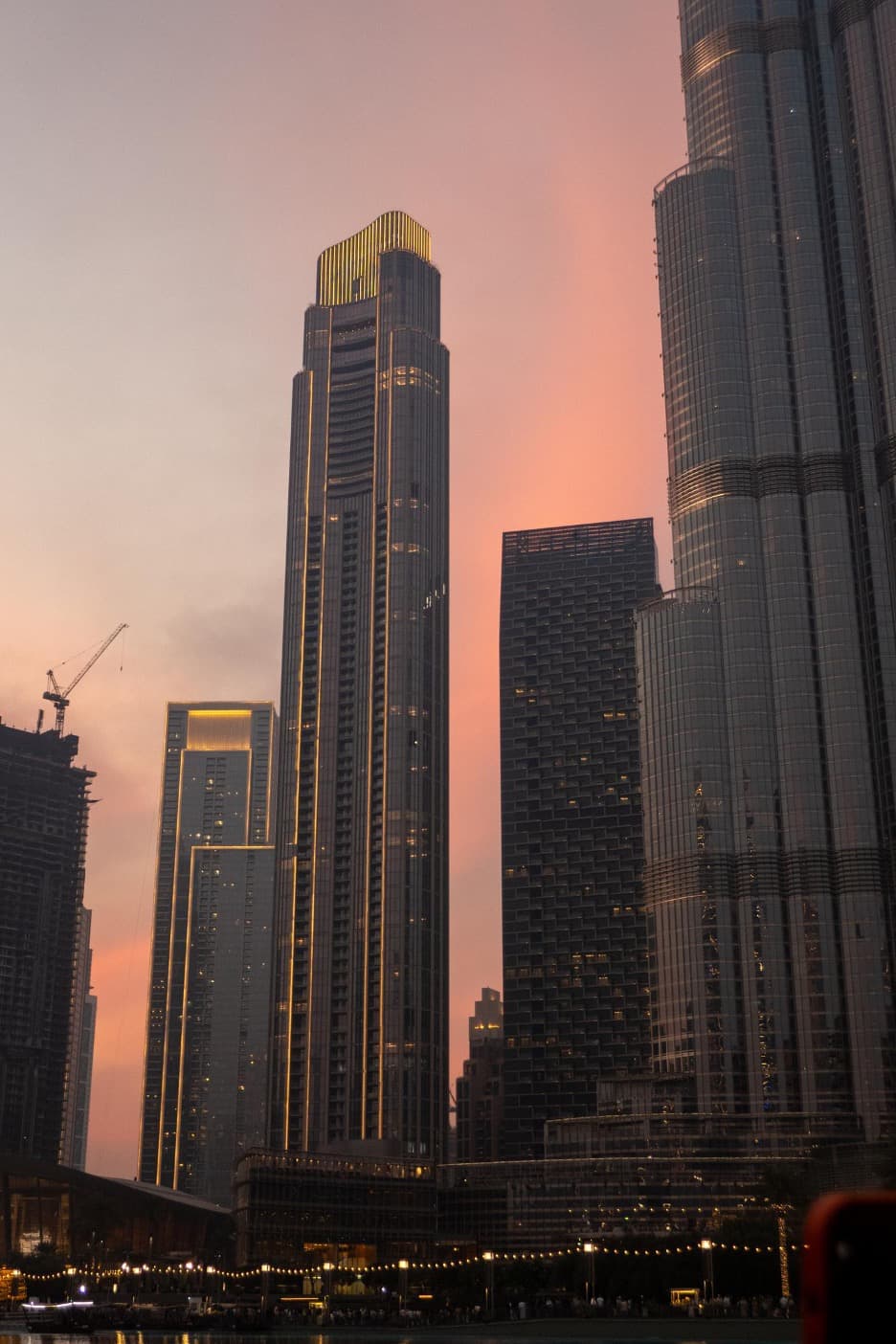
A Capital Deployment Hub
As we enter 2026, Dubai is no longer just a regional investment destination — it has become a global magnet for capital across real estate, financial services, and corporate expansion. Capital is not flowing because of hype. It is flowing because economic structure, regulatory clarity, tax efficiency, strategic positioning, and demographic thrust are aligning in ways few other global cities can match. Here’s why global capital is moving to Dubai in 2026 — with data and structural insights behind the trend. 1. Record Transaction Activity and Strong Market Fundamentals Dubai’s property market remains highly active and fundamentally driven rather than speculative: - Residential transaction values crossed over AED 500 billion with strong sales volume growth in 2025. - Price growth remained solid, with residential prices rising double-digit year-on-year heading into 2026. This breadth and depth of activity attracts institutional capital looking for liquidity and price discovery across an investable real estate market. 2. Tax and Fiscal Clarity Dubai’s tax environment continues to be a structural advantage: - No income tax on personal earnings - No capital gains tax on real estate investments - Property tax transparency with stable fiscal rules known in advance Investors are not just enjoying zero tax, they are benefiting from predictable, stable fiscal regimes that reduce structural risk in long-term planning. This predictability matters increasingly to global capital, especially compared with more volatile tax regimes in Europe and North America.
3. Demographic Growth & Global Mobility Dubai’s population continues to grow rapidly, driven by expatriate inflows and increasing permanence: - Population growth supports both rental demand and asset liquidity in real estate. At the same time, global mobility — supported by residency systems like the Golden Visa — enhances Dubai’s appeal as both an investment destination and a lifestyle hub. 4. Diversification of the Economy Dubai’s economy has moved far beyond oil: - Financial services, tech, logistics and tourism are now key pillars of growth. - Dubai financial centre new registrations rise nearly 40% in 2025 The Dubai International Financial Centre (DIFC) saw nearly 40% growth in new firm registrations in 2025 — including wealth and asset managers establishing regional hubs. This signals a structural shift where capital isn’t just chasing property — it’s chasing corporate presence and capital deployment infrastructure. 5. Strategic Positioning Between Continents Dubai’s location — at the crossroads of Europe, Africa and Asia — gives it natural logistical and business leadership. Investors increasingly view it as an efficient base to access multiple markets: - Time-zone overlaps with key global financial centres - Logistics and trade connectivity - Rapid travel links This positional advantage supports real estate demand as a by-product of broader business opportunity. 6. Innovation, Technology & Market Access Dubai is adopting tech and transparency: - Digital tools, AI market analytics, and blockchain-based systems improve transaction efficiency and security. - Tech adoption reduces friction for remote, cross-border investment, widening the pool of global capital that can participate.
A Capital Deployment Hub
7. Institutional Confidence and Product Mix What attracts capital at scale: - Diverse investment products across residential, commercial, logistics and mixed-use assets - Mature transaction infrastructure - Transparent legal frameworks enabling foreign ownership - Mortgage-enabled markets with pricing clarity Institutional participation increases because execution risk is low and legal visibility is high relative to many other global cities. 8. Luxury & Asset Demand Across Segments Dubai has also seen outsized demand in luxury real estate: - Sales of ultra-prime homes ($10 M+) continued strong global ranking in late 2025. Wealth migration — both corporate and individual — is expanding the capital base flowing into premium segments. Global capital is moving to Dubai in 2026 for structural, not speculative reasons: - High transaction volumes - Stable and predictable tax & fiscal framework - Demographic momentum - Economic diversification - Strategic global positioning - Tech-enabled investment infrastructure - Growing institutional participation This combination explains why Dubai is now seen as a global hub — not merely a regional frontier — for capital deployment in real estate and corporate structures.
Contact us
Bel Rive welcomes focused discussions with investors and partners seeking a structured approach to real estate.
Book a CallInsights
All Insights
Partner with Dubai's top real estate experts across design.
Partner with Dubai's top real estate
Partner with Dubai's top real estate
Built for the season
Partner with Dubai's top real estate
Partner with Dubai's top real estate experts across design.
Partner with Dubai's top real estate
Partner with Dubai's top real estate
Built for the season
Partner with Dubai's top real estate
Partner with Dubai's top real estate experts across design.
Partner with Dubai's top real estate
Partner with Dubai's top real estate
Built for the season
Partner with Dubai's top real estate