

Miami in 2026 : What the Numbers Are Actually Telling Investors
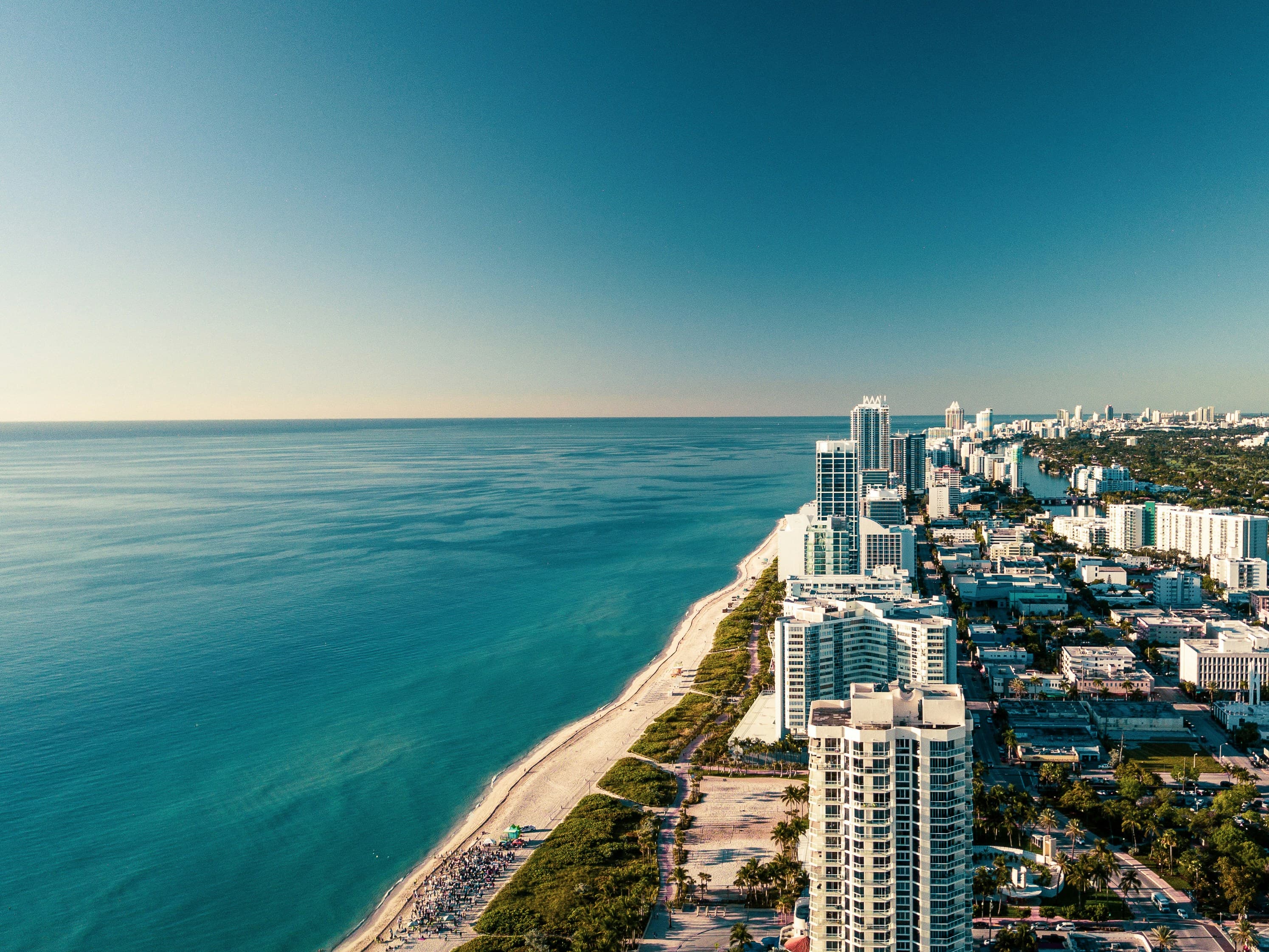
The headlines say Miami is cooling. The data tells a more interesting story.
For the past two years, Miami has been the market everyone talked about. The pandemic-era boom, the influx of wealth from the Northeast, the luxury towers rising along Brickell and the waterfront. The narrative was simple and compelling. Then came normalization, and with it, a wave of coverage suggesting the party was over. Average home values down slightly year over year. Days on market stretching from a frenetic one week to a more measured ninety to a hundred days. Inventory rising. The tone shifted, and a segment of investors shifted with it. That shift, we would argue, is a mistake — or at the very least, a misreading of what the data is actually saying. Miami in May 2026 is not a market in retreat. It is a market in selection. And for investors who understand the difference, the current environment is arguably more interesting than the frenzied peak that preceded it. The segment below one million dollars is indeed experiencing pressure, with broader inventory and more cautious buyers. But above that threshold, the picture looks structurally different. Luxury pre-construction posted twelve to eighteen percent year-over-year price appreciation in Q1 2026 alone. Approximately sixty-seven percent of luxury transactions are conducted in cash — a figure that tells you everything about the caliber of capital operating at that level and its complete insulation from interest rate volatility. Foreign buyers invested 4.4 billion dollars in South Florida residential real estate in 2025, a forty-two percent increase from the year prior. Miami remains, by a significant margin, the number one market in the United States for international capital seeking a dollar-denominated, legally stable, high-quality real estate asset.
The supply picture reinforces the thesis. Miami-Dade needs to deliver approximately twenty thousand new units per decade to keep pace with population and demand growth. The current construction pipeline has roughly thirteen thousand eight hundred units planned, with only seven thousand six hundred actually under construction. That structural deficit does not resolve itself in a down cycle. It compounds. And it disproportionately benefits well-located, well-executed assets that can absorb demand where new supply cannot reach. What this means practically is that the question is no longer whether Miami belongs in a serious international real estate portfolio. It is which segment, which structure, and at what entry point. The noise around the median market obscures the signal at the top. Branded residences, waterfront assets, and pre-construction positions in constrained corridors are not subject to the same dynamics as the broader residential stack. They operate on a different logic , one driven by scarcity, international demand, and the kind of buyer who is not waiting on a mortgage approval to act. The investors who will look back on 2026 as a defining vintage are the ones reading past the headlines today.
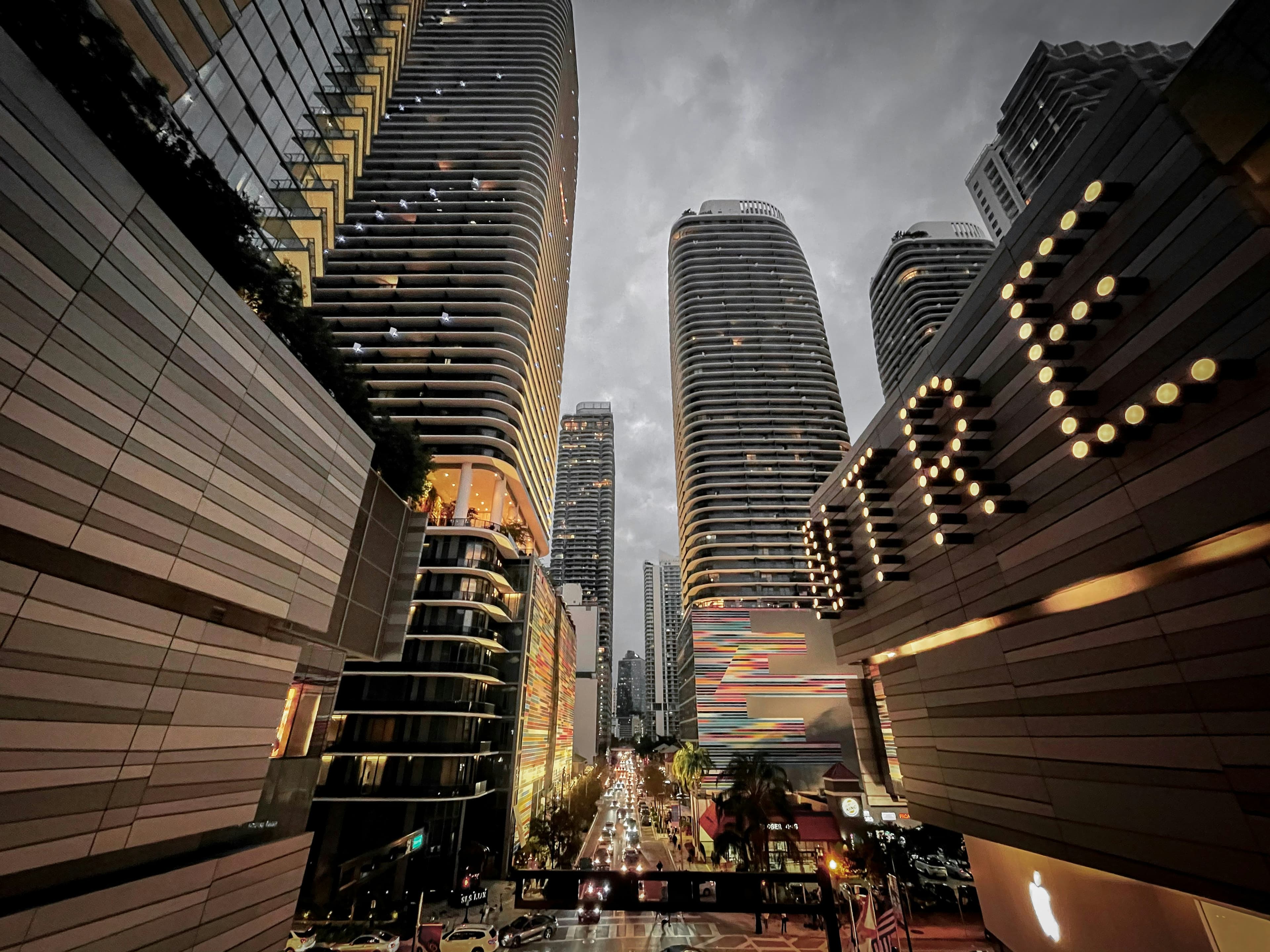
The headlines say Miami is cooling. The data tells a more interesting story.
Contact us Bel Rive welcomes conversations with investors, partners, and clients seeking a structured and informed approach to real estate. Share your objectives to begin a focused and confidential discussion.
Contact us
Bel Rive welcomes focused discussions with investors and partners seeking a structured approach to real estate.
Book a CallInsights
All Insights
Partner with Dubai's top real estate experts across design.
Partner with Dubai's top real estate
Partner with Dubai's top real estate
Built for the season
Partner with Dubai's top real estate
Partner with Dubai's top real estate experts across design.
Partner with Dubai's top real estate
Partner with Dubai's top real estate
Built for the season
Partner with Dubai's top real estate
Partner with Dubai's top real estate experts across design.
Partner with Dubai's top real estate
Partner with Dubai's top real estate
Built for the season
Partner with Dubai's top real estate